





















In the
state of Alaska, Medicare beneficiaries make up about 10 percent of the
population, and about 30,000 of those beneficiaries live in rural areas. The
leading cause of death in Alaska is heart disease and stroke, when statistics
are combined.
Given these
facts, Mountain-Pacific Quality Health (Mountain-Pacific) – the Quality Innovation Network-Quality
Improvement Organization (QIN-QIO) for Alaska, Montana, Wyoming, Hawaii and the
Pacific Territories – joined with other key health care stakeholders like the Alaska
Primary Care Association
(APCA) to develop a program to improve cardiac health in the nation’s largest
state. These partners wanted to make a statewide impact on uncontrolled heart
disease through training, learning in action and mentoring. The goal was to
have in-clinic projects linked to tangible results.
The program received funding from the State of Alaska’s Chronic Disease Prevention division under a grant from the... read more
In the
state of Alaska, Medicare beneficiaries make up about 10 percent of the
population, and about 30,000 of those beneficiaries live in rural areas. The
leading cause of death in Alaska is heart disease and stroke, when statistics
are combined.
Given these
facts, Mountain-Pacific Quality Health (Mountain-Pacific) – the Quality Innovation Network-Quality
Improvement Organization (QIN-QIO) for Alaska, Montana, Wyoming, Hawaii and the
Pacific Territories – joined with other key health care stakeholders like the Alaska
Primary Care Association
(APCA) to develop a program to improve cardiac health in the nation’s largest
state. These partners wanted to make a statewide impact on uncontrolled heart
disease through training, learning in action and mentoring. The goal was to
have in-clinic projects linked to tangible results.
The program received funding from the State of Alaska’s Chronic Disease Prevention division under a grant from the Centers for Disease Control and Prevention (CDC). The work began in earnest when the APCA’s board of directors approved heart disease measures as being one of the key target areas for improvement in early 2015. APCA and Mountain-Pacific designed a “Quality Improvement Academy” to train clinic staff with proven health care quality improvement tools and resources, including materials from national QIO Program partners like Million Hearts®. The goal was to improve outcomes and patient engagement in managing cardiovascular disease and diabetes. Mountain-Pacific was heavily involved in curriculum design, development of instructional materials, and employment of Lean Six Sigma techniques for process improvement.
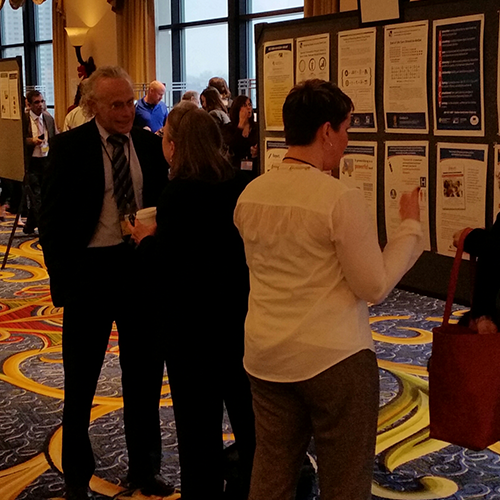
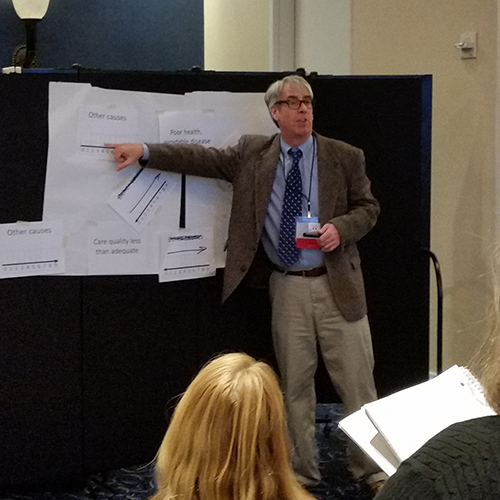
Six clinics were chosen for the first cohort. Each clinic brought two or three staff members to the three-day Quality Academy in Anchorage. During the face-to-face session, each clinic identified a problem that impacted its heart disease or uncontrolled blood pressure patients. The clinic then used tools to analyze their problems and create a solution and action plan. When participants returned to their rural clinics, the quality staff at the APCA provided mentorship.
The clinics selected various interventions and improved call-back systems; just-in-time scheduling processes; in-home blood pressure management; and initiated patient and family support groups. Online sessions were hosted through Adobe Connect, allowing each clinic to report-out about their Plan-Do-Study-Act (PDSA) cycle and spread the work.
As a result of the Quality Academy, one clinic was able to increase the number of available appointments each day by two slots due to better enforcement of its no-show policy. Previously, the lack of available appointments had prevented cardiovascular patients from visiting the clinic for regular appointments, resulting in their occasionally ending up in the Emergency Department.
At another clinic, depression screening increased by 30 percent following the Quality Academy. This was considered important because cardiovascular and diabetes patients who fail to consistently take medications often experience feelings of hopelessness. Depression screening helps providers determine whether patients are taking their medications and encourage them to do so.
At yet another site, both staff and the community received hypertension education, including information on making healthy lifestyle choices and the impact this can have on a person’s overall health and well being. Having been educated in a positive, non-threatening way, community members with hypertension who hadn’t previously been seen on a regular basis are now present at the clinic and engaged with their care team. This has resulted in a 25 percent increase in controlled hypertension in that community as of the end of 2015.
Based on these successful results, APCA is conducting a second cohort, and Mountain-Pacific will continue to play an integral, collaborative role in helping clinics help patients improve their heart health.